Adopting an adult: six things its past really changes
You will know what to expect from the first weeks with an adult animal, and how to read behaviour without knowing its history.
You will be able to spot the first-week situations that resolve on their own, and the ones where waiting is a mistake.
Some links on this page earn us a commission if you buy after clicking. It changes neither the ranking nor what is written here — and we say below what we were unable to check.
The first weeks push you to keep intervening. A good part of what worries you settles by itself, and stepping in installs the problem rather than removing it.
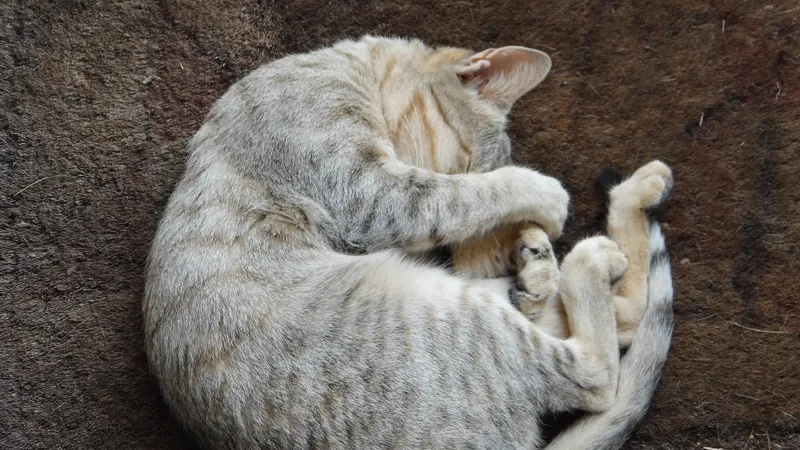
An animal that has just arrived often sleeps far more than you expected. The journey, the change of surroundings and the vigilance of the first hours are expensive.
Waking it to play, to eat or to show it off cancels exactly what it needs. An animal sleeping deeply in your home is telling you it feels safe enough to drop its guard.
What deserves attention is an animal dozing with its eyes open and never settling, or standing in a corner. That is not sleep.
Getting the toys out, waving the ball, insisting: nothing starts play in an animal that is not there yet. Play is a behaviour of safety, and it comes after the rest.
Leave a toy on the floor and say no more about it. Plenty of animals start playing alone, at night, before they play with anyone.
Pushing mainly builds an unpleasant association between you and that object. Waiting costs nothing.
It picks someone, and it is not necessarily you. The natural response is to pile on approaches, treats and stroking to put that right.
That is what fixes the avoidance in place. The avoided person wins by becoming boring: no looking at it, no calling it, no touching it, and they are the one who puts the food down without a word.
Preferences in the first weeks often move. The ones somebody tried to force move less.
An accident in the first days almost never means what people read into it. An animal that is clean elsewhere can get it wrong here, because the place, the floor, the smell or the timing are not the same.
Clean up with no comment, no look, no reaction. Any reaction, even an irritated one, teaches it that something happens when this occurs.
If it repeats in the same spot, it stops being an accident: it is a choice of location, and the location is what changes.
You may well have found something better than what it was getting before. The first weeks are not the moment to prove it.
A change of home is disruption enough. A change of food adds a digestive risk, and above all it makes everything you observe unreadable: you will no longer know whether an upset comes from stress or from the bowl.
The switch happens later, gradually, once everything else is steady. Waiting costs the animal nothing.
Doing nothing is a good call for settling in. It is never a good call for a physical sign.
Laboured breathing, blood, repeated vomiting or diarrhoea, a complete refusal to drink, a clear limp, a flatness that does not look like tiredness, pain on touch: those go to a vet rather than being watched to see whether they pass.
An animal that has just arrived makes everything harder to read, including for you. When in doubt, that is a reason to go sooner, not later.
3 reads
Three pieces that carry on from this one, picked on subject rather than date.
You will know what to expect from the first weeks with an adult animal, and how to read behaviour without knowing its history.

You will know what pace to work at with a frightened animal, and which well-meant moves set things back.
You will recognise the situations where stepping in makes things worse, the ones where buying something helps nobody, and the line past which doing…